MY OOTD · K-Beauty Concealer
the SAEM Triple Pot Concealer: A K-Beauty Guide to Shades and Where Each Color Goes
Includes virtual people The people in this article's pictures are virtual, drawn by MY OOTD with AI.
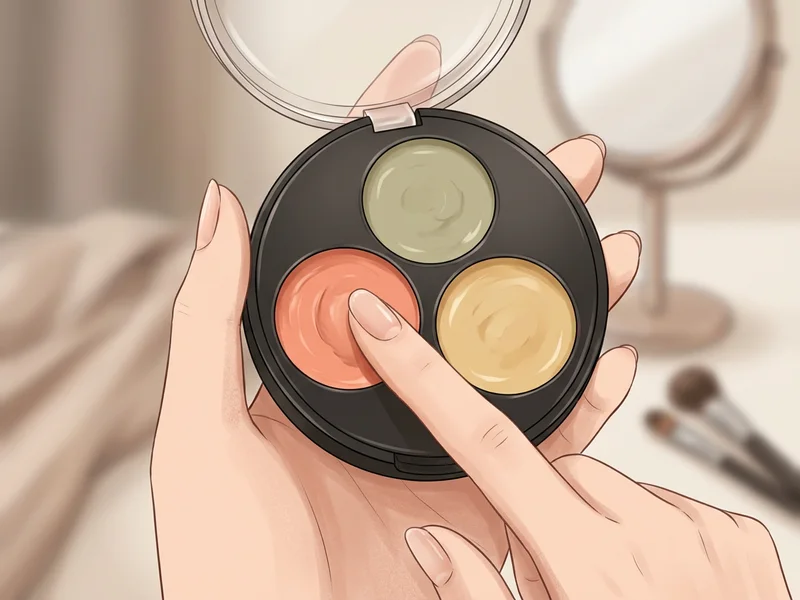
The SAEM Cover Perfection Triple Pot Concealer is a pot-type concealer with three color wells in one case. Korean makeup counts shades as 호수 (ho-su), so 1호 is simply Shade 1. Each shade holds a different mix of a corrector (코렉터, a color that evens out tone), a concealer that covers spots, and a color that defines contours, so one case lets you cover under the eyes, beside the nose, the corners of the mouth, and small spots (잡티, jabti) separately. The original lineup was Shade 1 and Shade 2, and a lighter shade and a tone-correcting shade were added later. Here are the colors in each shade and how to apply them thinly on each area. Read it against your own skin tone and your own trouble spots.
Good to Know First
- Texture: The creamy texture melts quickly with body heat and spreads thin. It tends to feel less tight even on dry areas like the eye area, and many reviews say it goes on smoothly with fingers or a brush.
- Layering: It spreads well with a brush and layers without building up too much. If you tend to have under-eye bags, try a thin layer rather than piling it on.
- Amount: Each well tends to hold a generous amount.
- Staying power: It tends to last when applied before base makeup (베이스). Layering it over a cushion or foundation may cause it to lift as time passes.
Shade 1 Correct Beige: If You Need Tone Correction
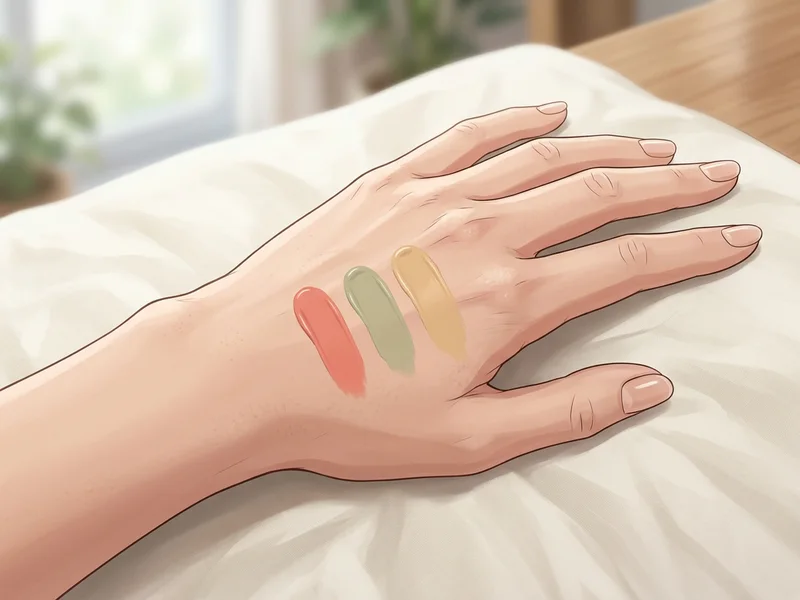
It holds three colors: coral, green, and a neutral beige. Coral warms up the blue tone of dark circles, and green tones down blemish redness and flushing. Coral is slightly darker and warm, so it suits dark circles with a lot of blue tone. Green is a muted shade mixed with beige, so it works well for covering redness beside the nose or on the forehead. The beige concealer is a yellow beige that suits skin tones around 21-22호, the shade numbers Korean foundations use. Look at your own dark circles and redness first, and if you have no tone-correcting product yet, start with Shade 1 Correct Beige.
Shade 2 Contour Beige: Contouring in One Case
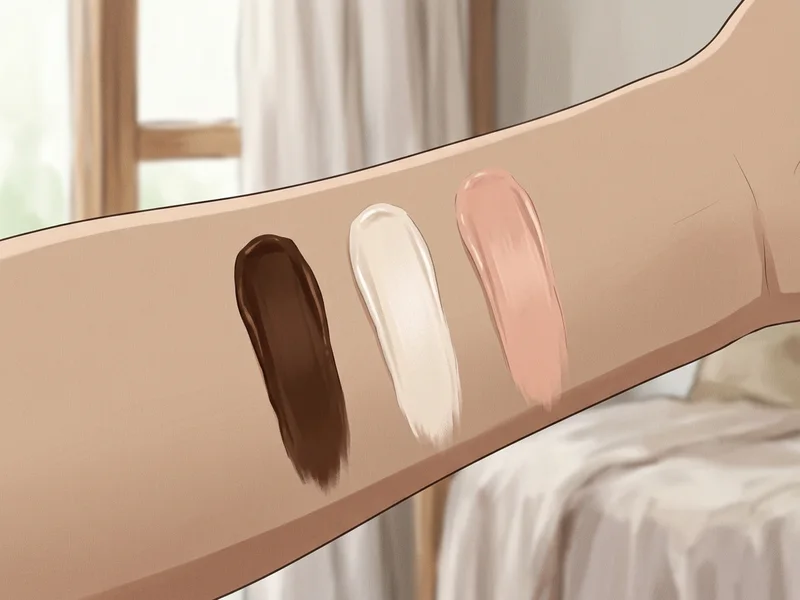
It holds a dark shading color, a light beige, and a neutral beige concealer. The shading well is a fairly deep brown, so spread a small amount wide to get a clean contour line. If it feels too dark, mix it with the concealer well to lighten it. Setting a cream contour with powder shading may help it last longer. The concealer well is a beige leaning more pink than Shade 1.
Keep It Thin Under the Eyes, Beside the Nose, and at the Mouth
Areas that move a lot, like the eye area, beside the nose, and the corners of the mouth, tend to crease less if you build up several thin layers.
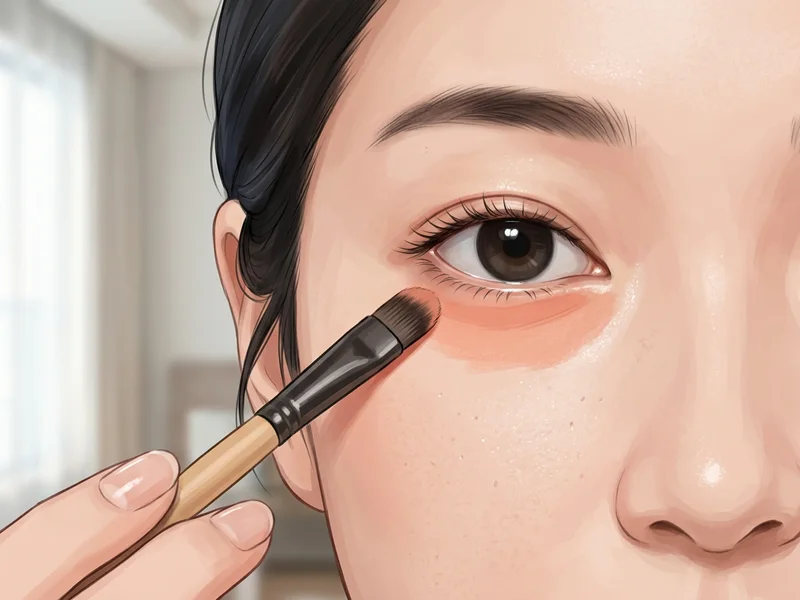
- Under the eyes: Pick up a moderate amount of the coral color on a brush and lay it on thinly from the outer corner inward. Pressing it in with the flat side of the brush helps it stick and covers dark circles naturally.
- Beside the nose: Pick up the green color on a small brush and lay it flat on the skin, then pat lightly between the creases. This can tone down redness while reducing creasing.
- Corners of the mouth: Sweep the coral color on in a downward stroke, then pat it in, and the corners of the mouth look a bit brighter.
- Small spots: Dab the skin-tone concealer right on the spot and pat it outward to spread. Leave just a little more directly over the spot and feather the edges thin.
Brighten Hollow Areas with White Beige
The light beige in Shade 2, close to white, works well as a highlight. Spread it thinly over the hollows of the front cheekbones, the bridge of the nose, and the chin. Reviews say it spreads thin, so layering it causes little lifting.

Choosing a Shade and the Downsides
- Skin tone: Shades 1 and 2 are matched to 21-23호 skin. If you are lighter than that, look first at Shade 3, which comes out lighter than Shade 1.
- Shade 4: It contains lavender and yellow colors, so it can be used to brighten the face when it looks yellowish and dull overall.
- Lineup: The corrector (Shade 1) and the contour (Shade 2) are split across different shades, so you need two cases to use both.